
I have never met a single person who does not want to be prosperous. Everyone dreams of a better life. The only difference is that each of us tries to become prosperous in our own way, shaped by how we grew up, what we were exposed to, and the habits we developed along the way. Sometimes these habits help us, sometimes they hold us back. But one thing is certain—we all want to succeed. Think of a small child learning to walk. The child falls again and again and again, yet never stops trying. That same determination is alive in us at work too.
The problem is not lack of effort. The problem is that most of us keep repeating the same patterns in our mind. These patterns, which we can call our mindset, act like a filter. This filter decides how we see reality, how we connect the dots and think, how we make decisions, and finally how we act. Since our filter comes from our past experiences and upbringing, it can limit us if we never try something new by stepping out of our comfort zones. The only way to change it is by experimenting, step by step, with fresh approaches, as we step out of our comfort zones.
But here lies another challenge. Most of us become defensive and naturally resist when someone, a senior, a spouse, a peer, a superior, a coach or a mentor for example, points out what we should change. Our ego almost always gets in the way. That is why I developed The Prosperity doHow®—a way to help people reflect, learn, experiment, and develop themselves, by providing an opportunity to identify those conditions limiting growth and prosperity and experiment on their own, in their own space and style. Put in simple words, I created a structured methodology for Learning to Learn.
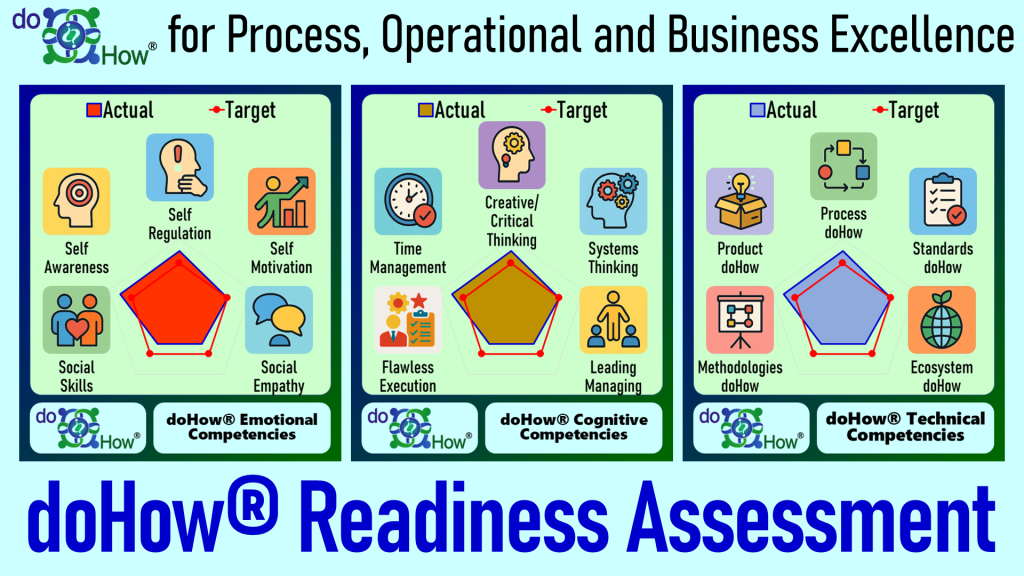
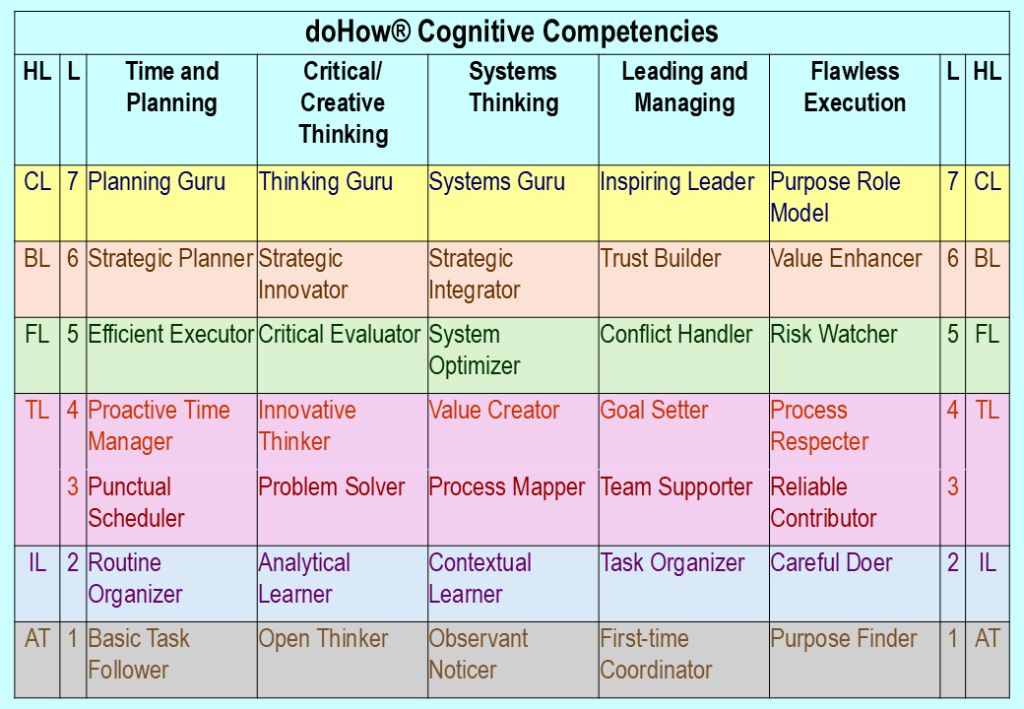
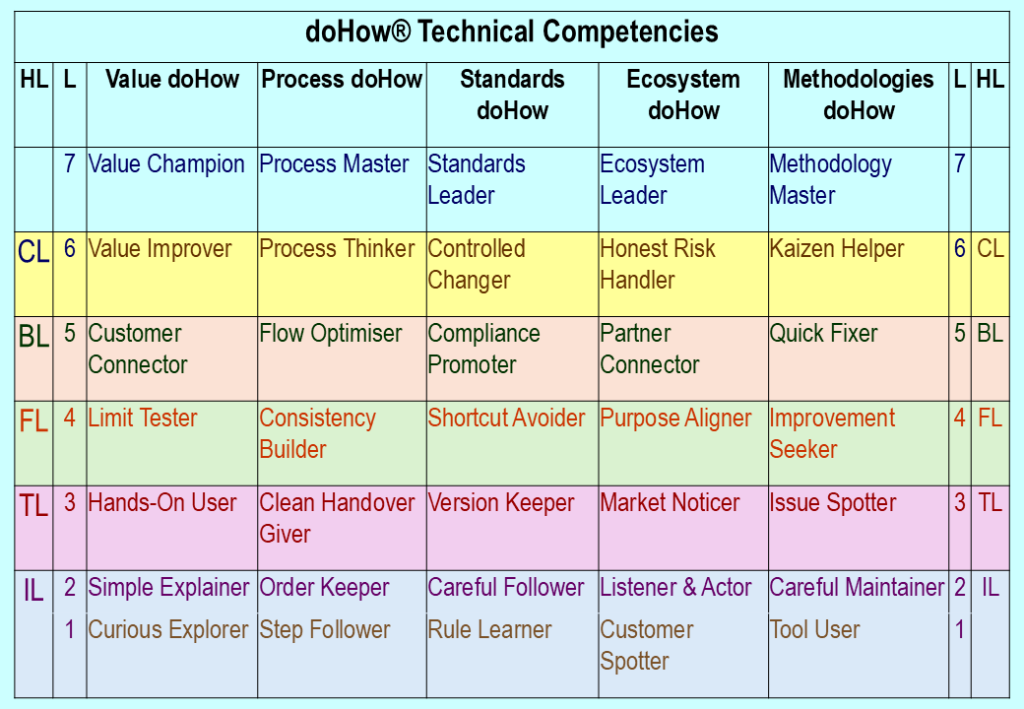
The Prosperity doHow® is built on three sets of competencies that everyone needs, no matter their role hierarchy—whether they are just starting as an apprentice or trainee, working as an individual contributor, leading teams, running functions, managing businesses, or even heading entire companies. These three sets are: emotional competencies like self-awareness, self-regulation, self-motivation, social empathy, and social skills; cognitive competencies like time management, creative and critical thinking, systems thinking, leadership/management, and flawless execution; and technical competencies like understanding products, processes, standards, ecosystems, and methodologies. Altogether, these fifteen competencies form the backbone of prosperity everywhere.
But knowing these competencies is only half the story. What really matters is how mature we are in them. For this, the Prosperity doHow® uses seven levels of maturity, seen through two lenses—emotional and rational.
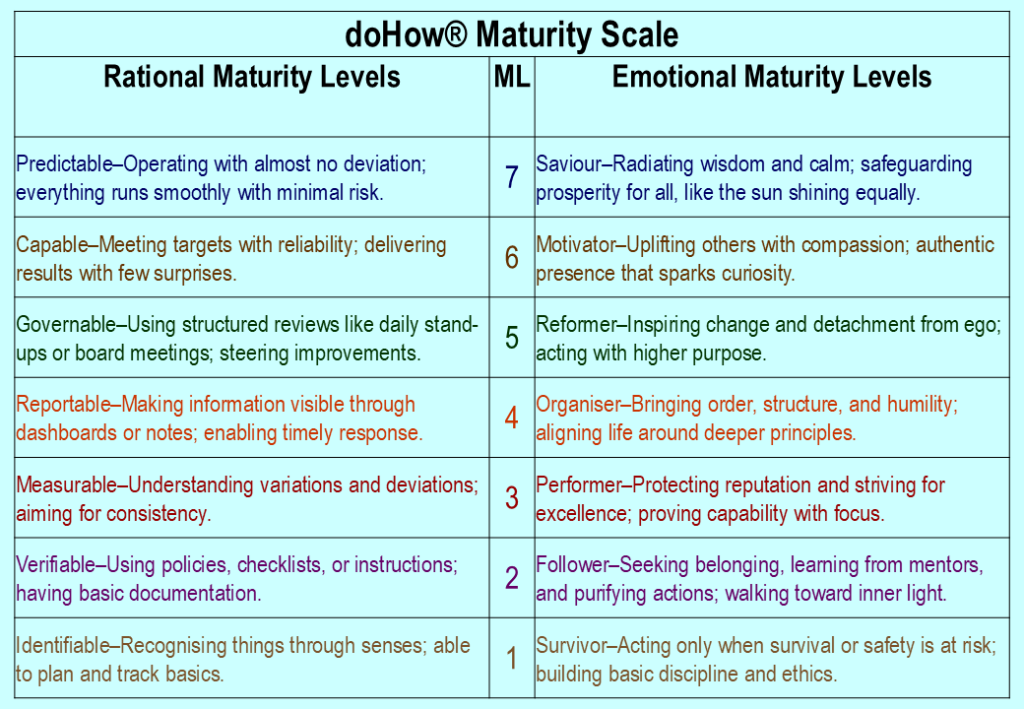
Emotional maturity is about our inner journey. At the first stage, called Survivor, we act only when our survival or safety is at risk, guided mostly by fear and the need for discipline. At the second stage, Follower, we seek belonging, learn from mentors, and try to fit in. At the third stage, Performer, we push ourselves to do well and protect our reputation. At the fourth stage, Organiser, we begin to value order and inner truth, structuring life around deeper principles. At the fifth stage, Reformer, we embrace change, detach from ego, and act for a higher purpose. At the sixth stage, Motivator, we uplift others with compassion, not for recognition but for genuine growth. Finally, at the seventh stage, Saviour, we radiate calm wisdom and take responsibility for the prosperity of all, like the sun that shines for everyone.
Rational maturity is about our outer journey. At the first stage, Identifiable, we can simply notice and track things using our senses. At the second stage, Verifiable, we start using basic instructions, policies, or checklists. At the third stage, Measurable, we understand variations and work toward consistency. At the fourth stage, Reportable, we share information through dashboards, notes, or charts so that timely responses are possible. At the fifth stage, Governable, we use structured reviews and meetings to steer improvements. At the sixth stage, Capable, we deliver results reliably with very few surprises. Finally, at the seventh stage, Predictable, everything runs so smoothly that deviations are almost negligible, and risks are minimal.
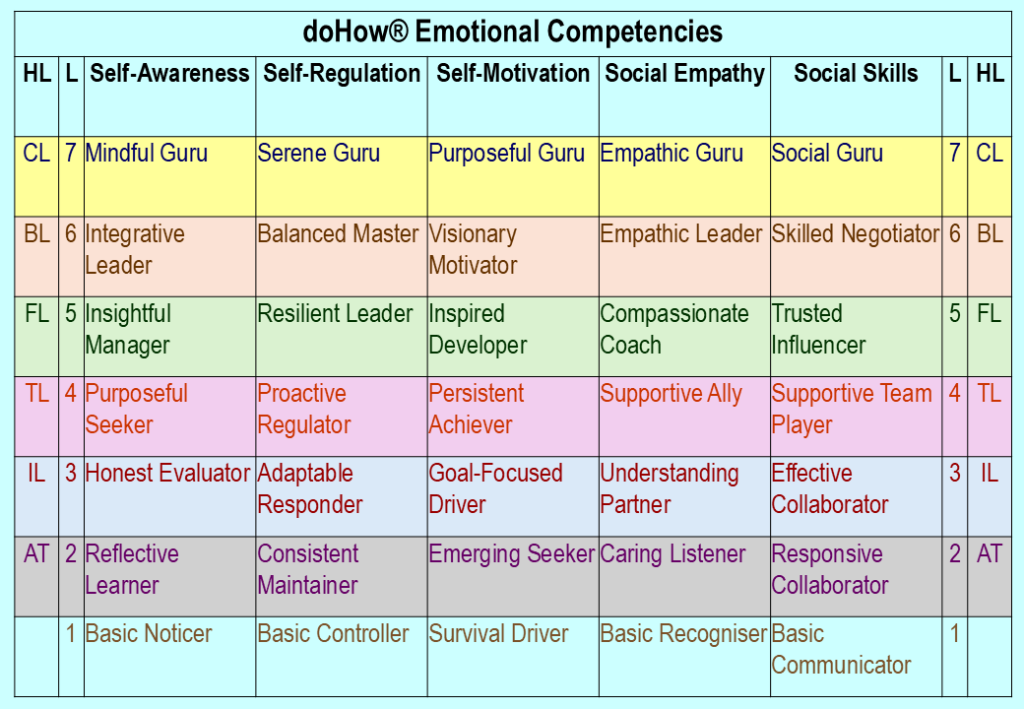
When you see both scales side by side, you realise that prosperity is not just about hard work—it is about steadily growing both inside and outside. It is about moving from survival and guesswork to wisdom and predictability, for progressing through the role hierarchy from apprentice or trainee through leading a company.
I invite you to check out the doHow® Readiness Assessment. This is not a test to pass or fail. It is more like holding up a mirror. Each assessment, whether in emotional, cognitive, or technical competencies, has about thirty-five simple questions and takes around half an hour to complete. Based on your answers, you receive clear hints on where you currently stand and step-by-step suggestions on how you can move forward. Sometimes the assessment shows that you are already at the required maturity level for your role hierarchy. Sometimes it shows that you need to develop more to meet expectations of your role hierarchy. And sometimes it reveals that you are far behind, struggling harder than necessary, and gives you direction on how to catch up.
Every one of us carries the spirit of that child learning to walk—falling but rising again with determination. The question is, are we still willing to experiment, learn, and evolve as adults in our workplaces and lives? The Prosperity doHow® offers you a tried and tested path over the last 12 years in my various assignments. I invite you again to try the doHow® Readiness Assessment.
It could be the starting point of your journey toward clarity, growth, happiness, and prosperity. Best wishes for an enlightening journey.